
Favorite Fire Damage Restoration Products For Quick Recovery
Select from popular tools and materials designed to accelerate fire damage cleanup and restore properties efficiently.
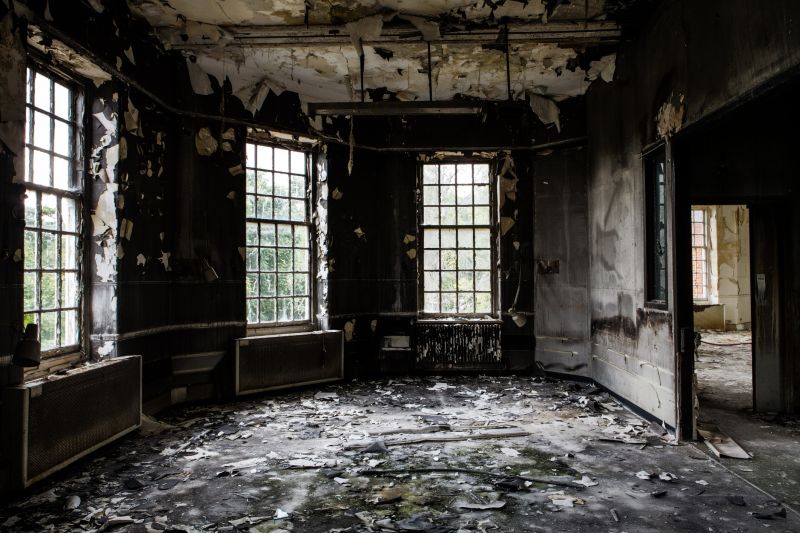 Fire restoration products are essential tools and materials used to address the aftermath of fire incidents in residential, commercial, and industrial settings. These products help mitigate damage, remove soot and smoke residues, and restore surfaces affected by heat and flames. Proper selection and application of fire restoration products can significantly improve the efficiency of cleanup efforts and the quality of the restoration process.
Top Overall Option
Comprehensive Fire Damage Restoration Kit
A versatile collection of cleaning agents, odor neutralizers, and surface repair products designed to address a wide range of fire-related damages. This kit offers a convenient all-in-one solution for restoration professionals and DIY enthusiasts seeking thorough cleanup and restoration capabilities.
Types of Products For Fire Restorations
Soot and Smoke Cleaners
Products formulated to effectively remove soot and smoke residues from various surfaces, ensuring a cleaner and healthier environment.
Odor Neutralizers
Specialized solutions designed to eliminate persistent smoke odors from indoor spaces and materials.
Fire-Resistant Paints
Coatings that provide additional fire resistance and help protect surfaces from future heat damage.
Dehumidifiers and Drying Equipment
Tools used to reduce moisture levels and dry affected areas to prevent mold growth and secondary damage.
Surface Sealants and Primers
Products that seal surfaces to prevent soot penetration and facilitate subsequent repairs or painting.
Fire-Resistant Insulation
Insulation materials designed to withstand high temperatures and improve fire safety in structures.
Air Scrubbers and Filtration Systems
Equipment that filters airborne particles and smoke pollutants, improving indoor air quality during restoration.
Cleaning Brushes and Applicators
Tools to facilitate the application of cleaning agents and surface treatments during restoration.
Heat-Resistant Coatings
Protective coatings that can withstand high temperatures and prevent surface degradation.
Structural Repair Materials
Products such as adhesives and fillers used to repair and reinforce damaged structural elements.
Popular Choices
Widely used for removing soot and smoke residues from walls, ceilings, and furniture, aiding in thorough cleanup.
Effective in neutralizing lingering smoke odors, restoring indoor air freshness.
Applied to surfaces to enhance fire resistance and provide a protective barrier.
Essential for drying out damp areas after fire suppression efforts to prevent mold growth.
Used to filter airborne contaminants and improve air quality during and after restoration.
Help seal soot and smoke residues, making subsequent cleaning easier and more effective.
Applied to structural elements to provide additional protection against heat damage.
Used for repairing and reinforcing damaged structural components after fire incidents.
Tools to assist in the application of cleaning and restoration products effectively.
In fire restoration, cleaning agents and degreasers play a vital role in breaking down soot and smoke residues that adhere to surfaces. These products are formulated to be effective yet safe to use on various materials, including drywall, wood, metal, and fabrics. Additionally, specialized odor neutralizers and air scrubbers are employed to eliminate persistent smoke odors and improve indoor air quality.
Another critical category involves surface repair and protection products. These include sealants, primers, and coatings designed to cover and protect surfaces from further damage or contamination. Fire-resistant and heat-resistant paints can also be used to reinforce structural elements and prevent future hazards. For comprehensive restoration, moisture meters and drying equipment are often necessary to ensure that affected areas are thoroughly dried, preventing mold growth and secondary damage.
Choosing the right products for fire restoration depends on the extent of the damage, the materials involved, and safety considerations. Professionals in the field often rely on a combination of cleaning, repair, and odor control solutions to achieve optimal results. Proper training and adherence to safety guidelines are crucial when handling these specialized products to ensure effective and safe restoration processes.
Key Buying Considerations
- Type and extent of fire and smoke damage to determine suitable products.
- Compatibility of cleaning agents with different materials such as drywall, wood, and fabrics.
- Effectiveness of odor neutralizers for persistent smoke smells.
- Ease of application and user safety during handling and use.
- Drying and moisture control capabilities to prevent secondary issues like mold.
- Fire resistance ratings of coatings and insulation materials for added safety.
- Availability of professional-grade equipment for large-scale restoration projects.
- Environmental conditions of the affected area, including ventilation and humidity levels.
- Compatibility with existing building materials and finishes.
- Cost-effectiveness and durability of repair and protective products.
- Product certifications and safety standards compliance.
- Ease of access and availability through local suppliers or online stores.
- Training or guidance required for effective application.
- Potential need for specialized tools or accessories for certain products.
- Long-term performance and maintenance requirements of restoration materials.