
Optimal Timing for Fire Restorations
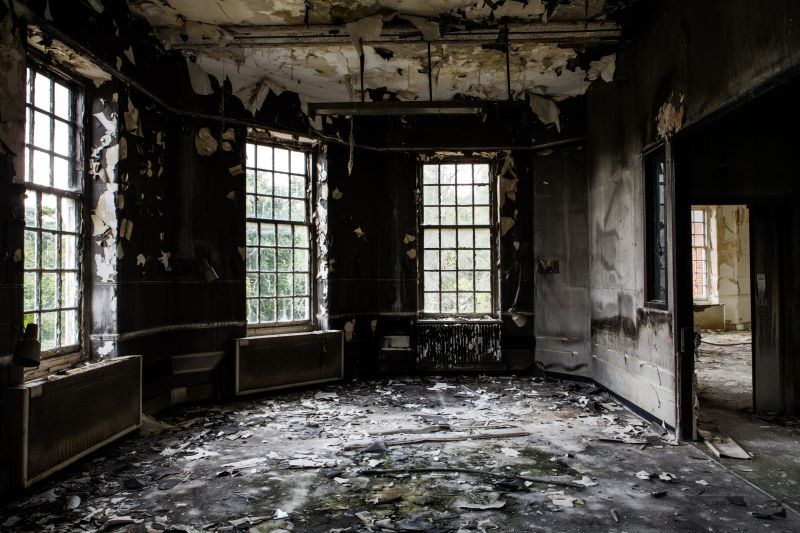
Fire restorations are most effectively performed after fire incidents when conditions are stable and the environment is safe for cleanup and repairs. Typically, the optimal time for fire restorations is during dry, mild weather conditions which facilitate access and reduce delays caused by weather-related issues. Conducting restoration during these periods ensures a quicker response and minimizes further damage.
Restorations should begin as soon as it is safe to do so following a fire. Early intervention can prevent further structural damage and reduce restoration costs.
Dry seasons and moderate temperatures are ideal for fire restorations. Rain or high humidity can complicate cleanup and repair processes.
Spring and fall often provide suitable weather conditions for fire restoration projects, avoiding extreme heat or cold.
The extent of fire damage influences timing; minor damages can be addressed sooner, while extensive damage may require additional planning.
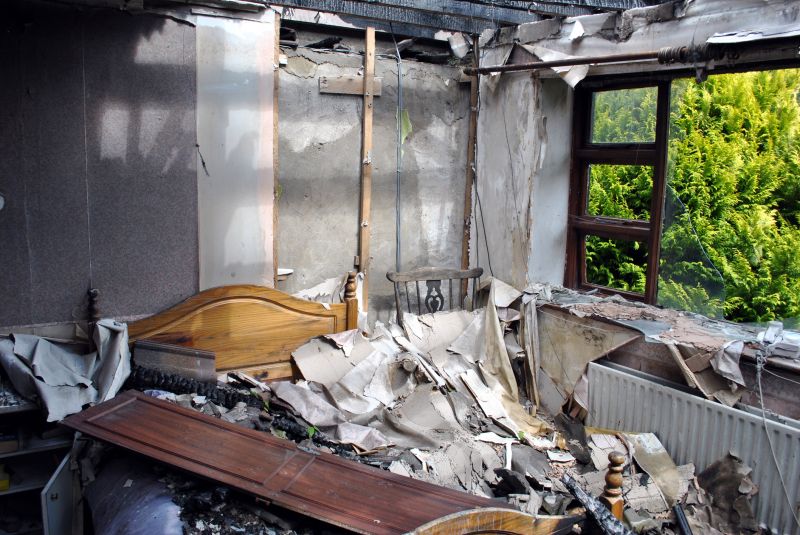
Initial evaluation of fire damage is crucial for planning restoration timing.
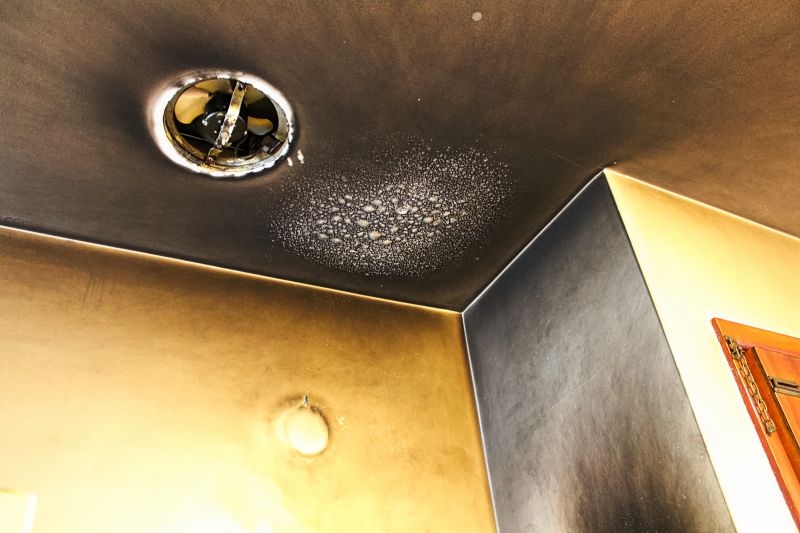
Removing debris and soot typically occurs early in the restoration process.
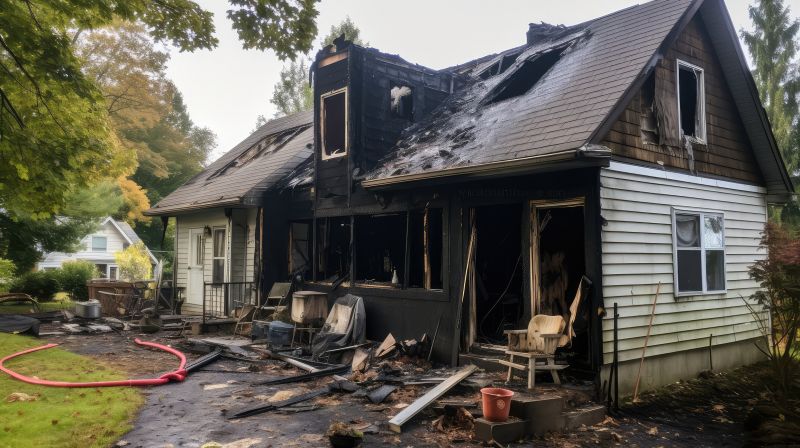
Rebuilding and repair work follow after initial cleanup.
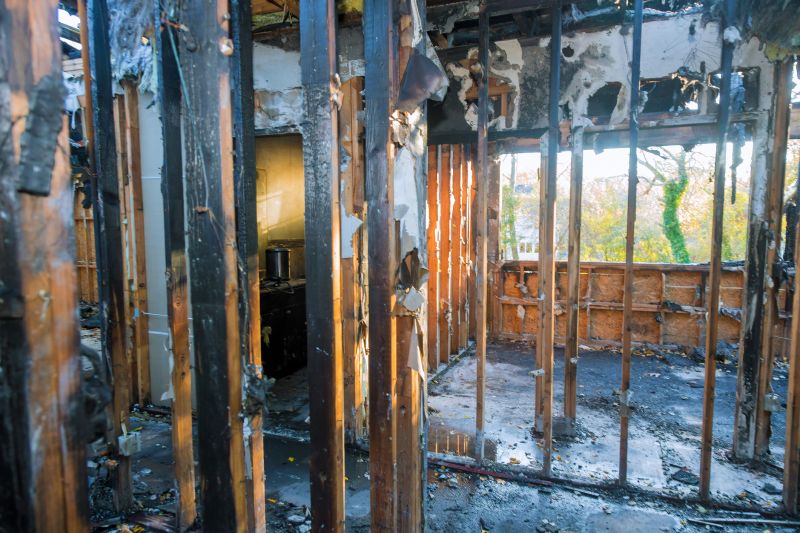
Ways to make Fire Restorations work in tight or awkward layouts.
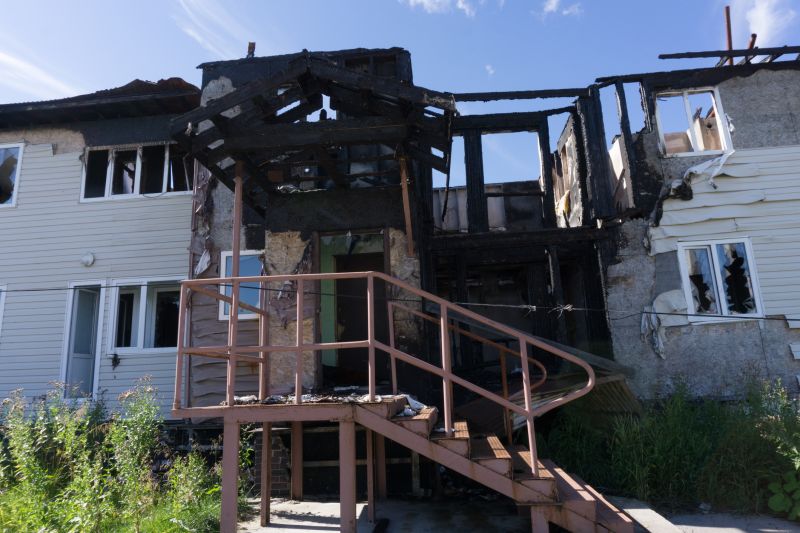
Popular materials for Fire Restorations and why they hold up over time.
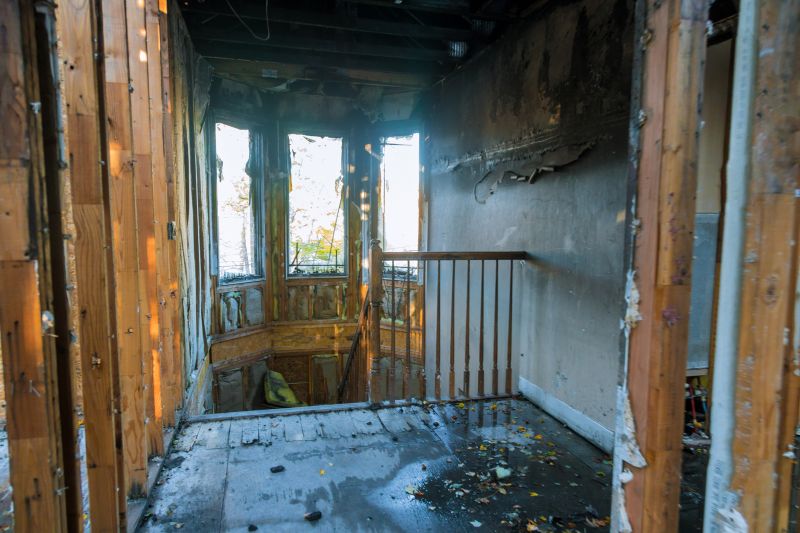
Simple add-ons that improve Fire Restorations without blowing the budget.
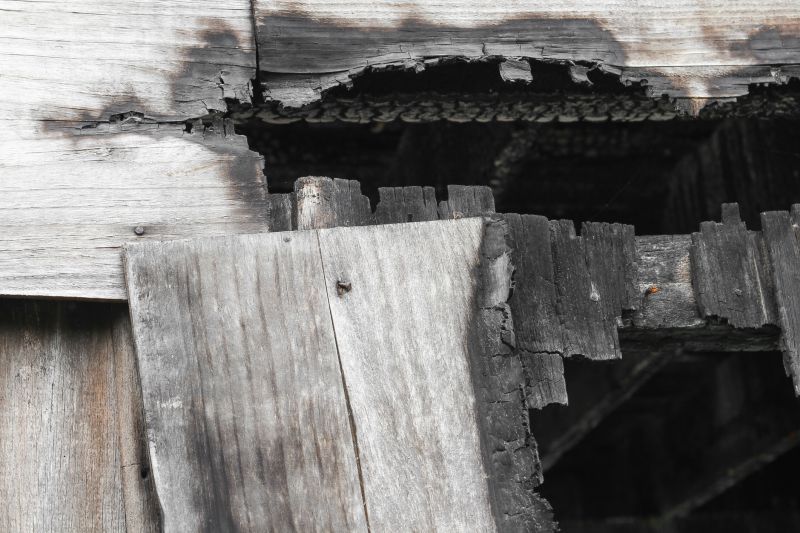
High-end options that actually feel worth it for Fire Restorations.
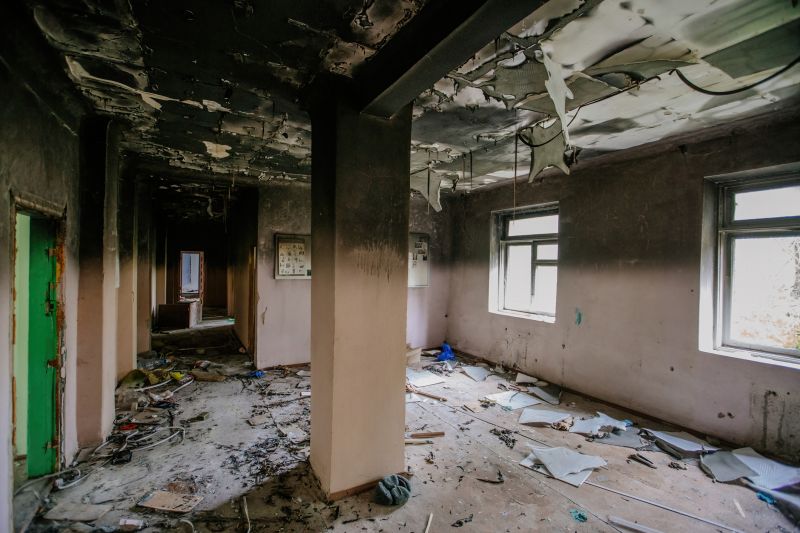
Finishes and colors that play nicely with Fire Restorations.
| Aspect | Optimal Timing |
|---|---|
| Post-Fire Safety Clearance | Immediately after fire is extinguished and safety is confirmed |
| Weather Conditions | Dry, mild weather for ease of access and material handling |
| Seasonality | Spring or fall for moderate temperatures |
| Damage Severity | Less severe damage allows for quicker restoration |
| Service Availability | Off-peak seasons for faster scheduling |
Fire restorations involve multiple stages including damage assessment, debris removal, soot and smoke cleanup, structural repairs, and odor mitigation. Timely intervention minimizes long-term damage, preserves property value, and reduces restoration costs. Statistics indicate that early response can decrease repair expenses by up to 30 percent and shorten project duration.

Professional evaluation helps determine the best timing for restoration.
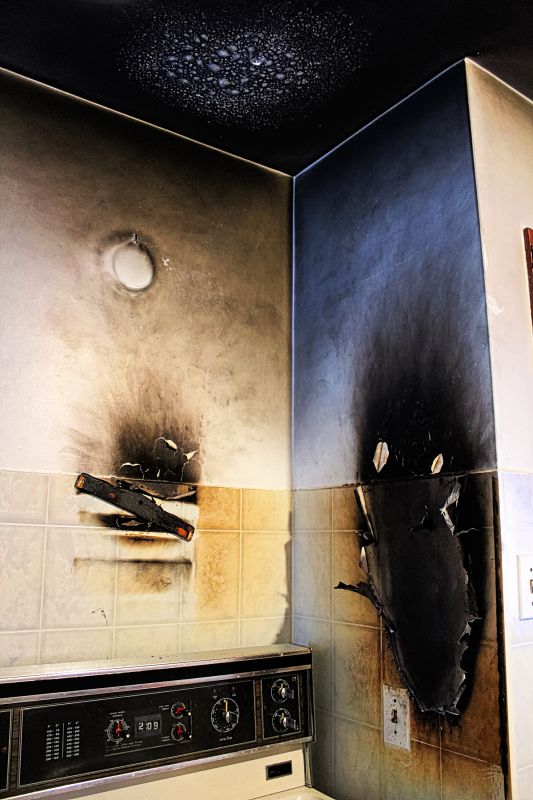
Removing soot and residues is critical for effective repairs.
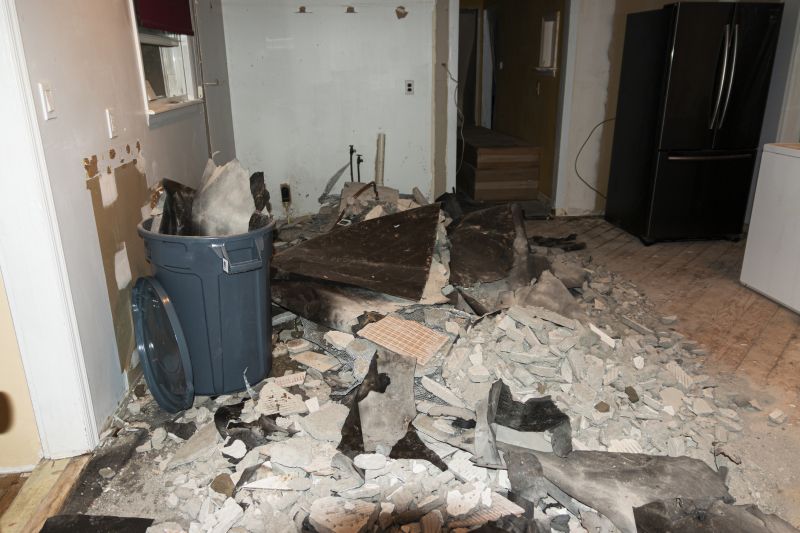
Reconstruction occurs after initial cleanup.

Advanced methods ensure complete odor mitigation.

A 60-second routine that keeps Fire Restorations looking new.
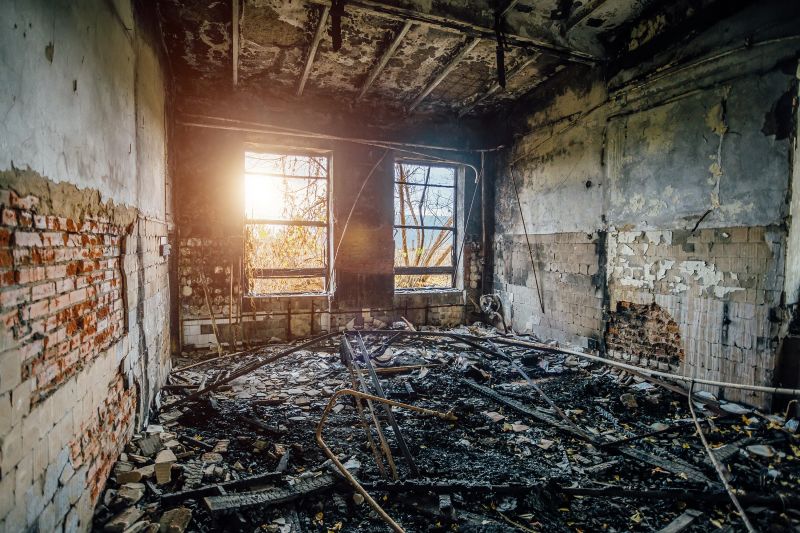
A frequent mistake in Fire Restorations and how to dodge it.
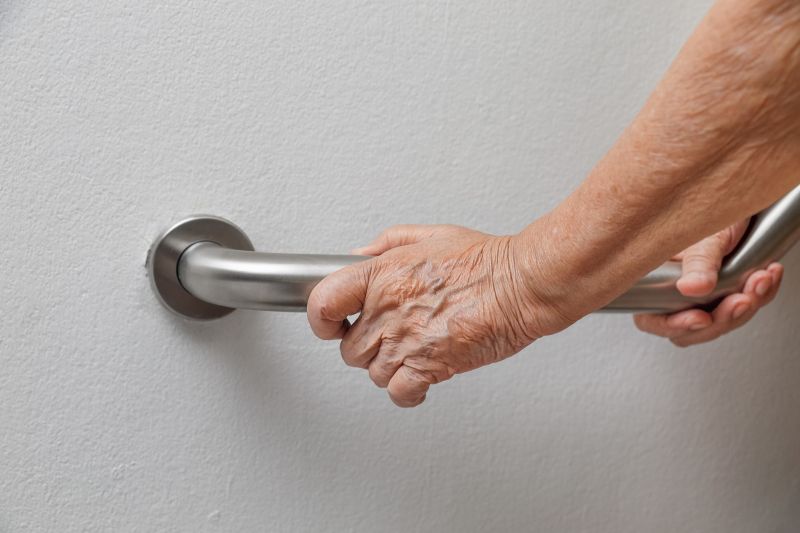
Small tweaks to make Fire Restorations safer and easier to use.
Lower-waste or water-saving choices for Fire Restorations.
Interested property owners in Holly Springs, North Carolina, can consider scheduling fire restorations during favorable weather periods to ensure efficient and effective recovery. Prompt action and proper timing are essential components of successful fire damage management.